Indian Wedding Invitation Ideas: Traditional Meets Modern Digital Designs
Indian weddings have always been about balancing tradition with personal expression, and nowhere is that balancing act more visible than in wedding invi...
Indian weddings have always been about balancing tradition with personal expression, and nowhere is that balancing act more visible than in wedding invitations today. Couples want to honor family customs and religious symbolism, while also creating something that feels genuinely representative of who they are as individuals. Here's how to strike that balance well.
Indian weddings have always been about balancing tradition with personal expression, and nowhere is that balancing act more visible than in wedding invitations today. Couples want to honor family customs and religious symbolism, while also creating something that feels genuinely representative of who they are as individuals. Here's how to strike that balance well.
Why the "Traditional Meets Modern" Approach Works
Older generations often expect certain elements in a wedding invitation — a Ganesh vandana or religious symbol, formal mention of both families with respectful language, and traditional color palettes like red, maroon, or gold. Younger couples, meanwhile, often want their own personality reflected too — perhaps through a specific font style, a personal photo, or a modern color accent.
Rather than choosing one over the other, the most successful invitations today blend both, giving families a sense of continuity while still feeling authentically current.
Traditional Elements Worth Keeping
Religious openings remain important for most Indian families. A small Ganesh illustration, "Om" symbol, or an appropriate religious verse at the top of the invitation immediately signals respect for tradition and sets a auspicious tone.
Formal family introductions are another traditional element many families still expect — mentioning both sets of parents by name, sometimes along with grandparents, as a mark of respect and formality.
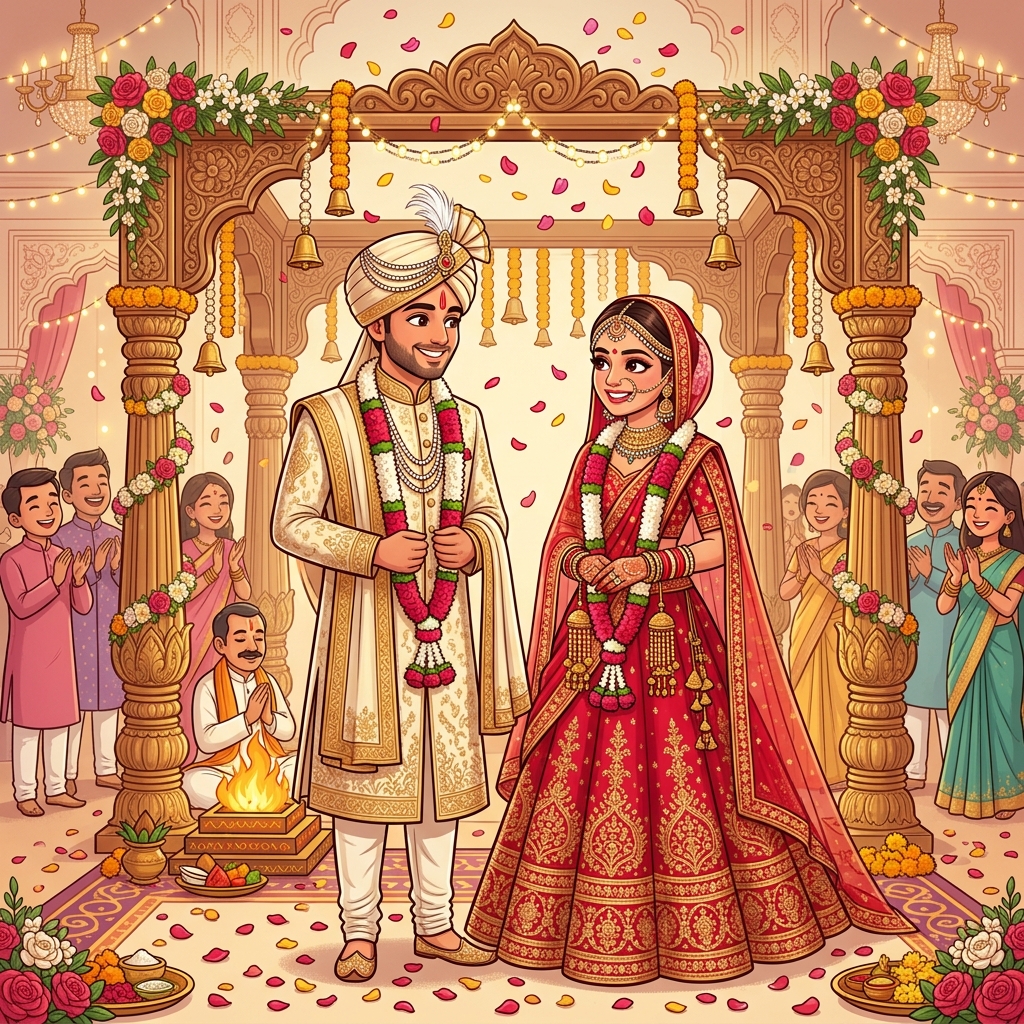
Traditional color palettes — deep reds, maroons, gold, and orange — carry cultural weight in Indian weddings, symbolizing prosperity and auspiciousness, and tend to resonate strongly with older relatives even when the rest of the design feels modern.
Modern Elements Worth Adding
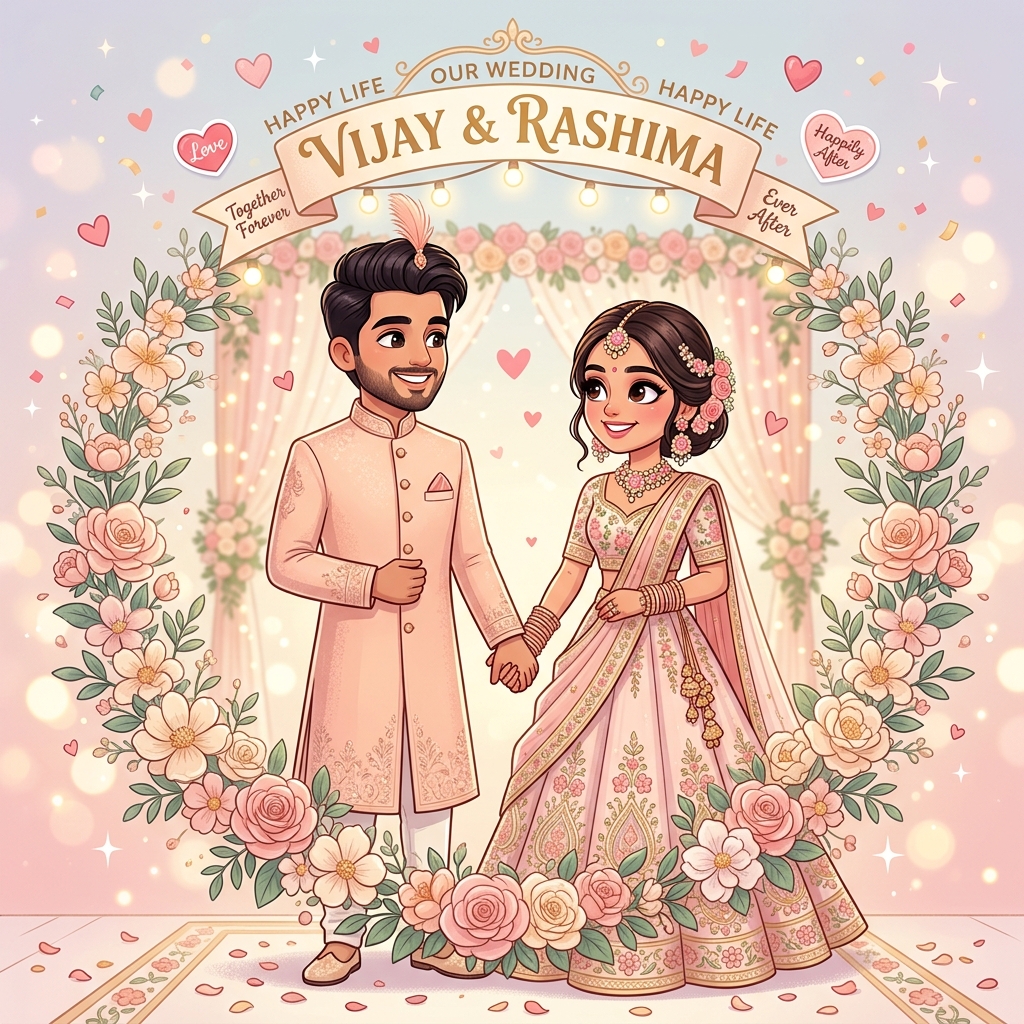
Clean, contemporary typography can modernize even a traditionally-themed invite significantly. Swapping overly ornate, hard-to-read fonts for cleaner, more legible ones makes the invitation feel current without losing its traditional color scheme or symbolism.
Personal photography or illustration of the couple adds a distinctly modern, personal touch that older invitation formats never included, helping guests connect emotionally with the couple rather than just reading formal text.
Interactive elements, like a linked wedding website with RSVP forms, hotel information, and event schedules, bring genuine modern convenience into an otherwise traditional format.
Simplified, concise wording, replacing lengthy, overly formal invitation text with warmer, more conversational language, feels more natural to how younger couples actually communicate, while still respecting the occasion's formality where it matters most.
Ideas by Wedding Style
For a traditional temple wedding, lean into rich colors, temple architecture motifs, and formal family introductions, while modernizing just the typography and adding a clean RSVP link. For a destination or resort wedding, blend traditional symbolism with location-specific visuals — palm trees for a beach wedding, or mountain silhouettes for a hill-station celebration — creating a hybrid that still feels rooted in Indian wedding culture. For a fusion or intercultural wedding, where partners come from different religious or regional backgrounds, consider designing two complementary sections within a single invitation, honoring both traditions equally rather than defaulting to just one.
Involving Family in the Design Process
One practical piece of advice: before finalizing your invitation, especially if it leans more modern than traditional, share a draft with parents or elders in the family. This isn't about seeking permission, but about avoiding an awkward situation where an important religious symbol is missing, or a family member's name is spelled incorrectly, or a traditional element they deeply care about was left out unintentionally.
Most families appreciate being included in this small way, and it often results in valuable suggestions that make the final invitation better and more meaningful for everyone involved.
Balancing Multiple Guest Generations
Remember that your invitation will be viewed by guests ranging from young cousins to elderly grandparents, each with different expectations and comfort levels with digital formats. Keeping text legible and details clearly organized ensures the invitation works well for everyone, regardless of age or tech familiarity, rather than optimizing purely for aesthetic trends that might not translate well across generations.
Final Thoughts
The best Indian wedding invitations today aren't purely traditional or purely modern — they're a genuine reflection of a couple navigating both worlds gracefully. Take the elements from tradition that carry real meaning for your family, combine them thoughtfully with modern design and convenience, and you'll end up with an invitation that feels both respectful and authentically yours, exactly the way most contemporary Indian weddings themselves tend to unfold.
Need a wedding invitation that feels like you?
Explore our shareable digital cards and website templates, or tell us about your celebration directly on WhatsApp.
Chat on WhatsApp